


Volunteers Needed Soon – Upcoming Work Parties

We are making progress on the Midden Lookout Park and will soon be requesting volunteers for our next steps. (Note: “Midden” is a word that means “trash pile” or, in our case, “landfill.”) The photo below shows the various existing and new trail segments. At the bottom is the Keating Enterprise Building at 180 Johnson Street in Middletown.
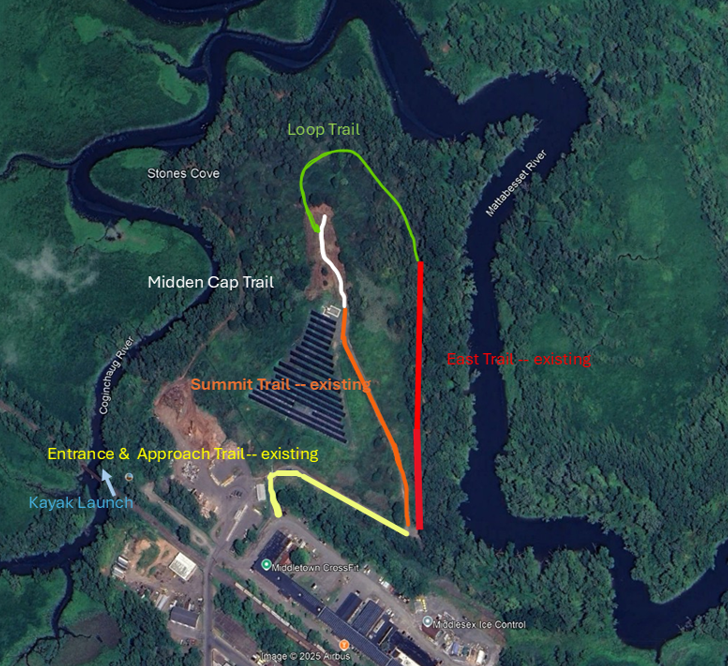
Work Party #1 (Date TBD) — On a day when there is snow on the ground (to minimize the presence of ticks) but it’s not too cold, we will need help clearing the route for the Loop Trail. No equipment is necessary — boots to stomp down the mugwort make good tools. But, if you have them, loppers, clippers, pruning saws, or weed whackers will be useful.

Work Party #2 (Date TBD) — After woodchips are dumped on the midden cap, we need people to help spread them to suppress the mugwort in the spring. 

If you can help us out (depending on your availability on the exact date, of course) please sign up as a Trail Blazer using this form. That will put you on the list for upcoming messages. Thank you to all who have already signed up! You may also use our Contact Form and put the words “Midden Volunteer List” in the message space.

We hope to see you soon for some fun, cool weather work on this project!
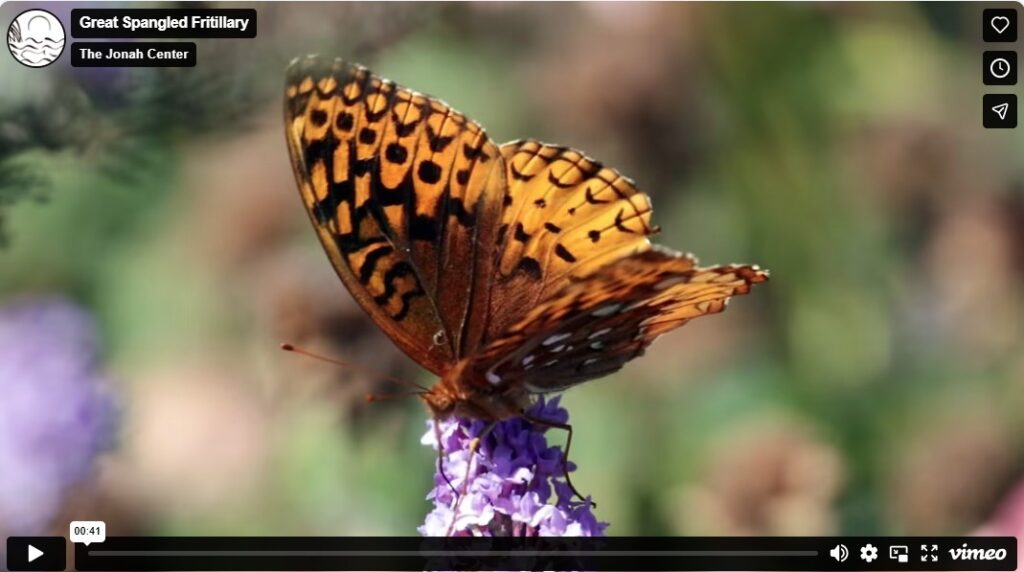
Great Spangled Fritillary Video

By Phil LeMontagne

Butterflies like Monarchs and Swallowtails are awesome to see in the garden. It’s even more exciting when a less common species like the Great Spangled Fritillary shows up! For nectar the adults like native flowers such as Purple Coneflower, Joe Pye Weed, and Common Milkweed. Great Spangled Fritillaries can live as adults for three months—at least three times longer than most butterflies! To attract them, grow native violets in the garden. These are the only plants their caterpillars will eat. Click here or on the image above to view.

E.P.A. to Stop Considering Lives Saved When Setting Rules on Air Pollution

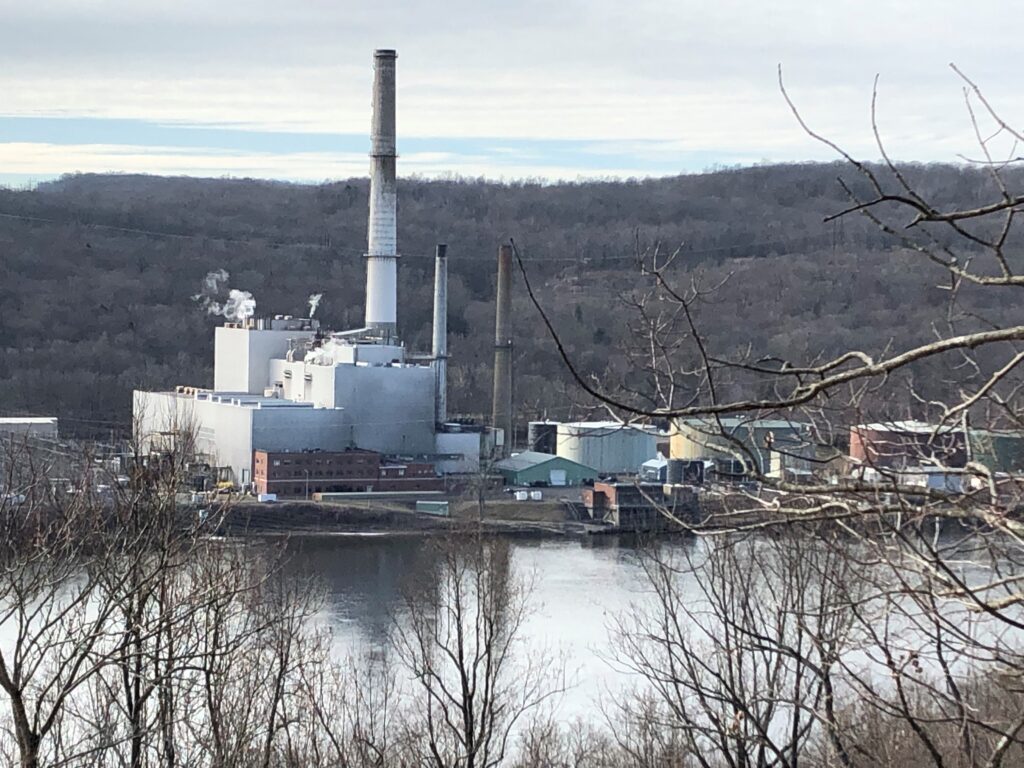
Middletown power plant as seen from the Air Line Trail in Portland. Photo by John Hall

A recent New York Times article by Maxine Joselow reports that the U.S. Environmental Protection Agency plans to consider only the cost to industry when setting pollution limits, not the monetary value of avoiding illness and saving human lives. The pollutants affected are fine particulate matter (PM2.5) and ozone which are signifcant health hazards in the lower CT River Valley. A PDF copy of the full article may be found here.


Winter Wildlife

Beau Doherty of Portland is an avid wildlife observer and excellent photographer. Below, he shares with us some photos of species you might spot during winter. Be on the lookout for them on your walks, especially those listed as endangered, threatened, or species of concern. Several of these photos were taken at the Helen Carlson Wildlife Sanctuary on South Road in Portland, a Preserve of Mattabeseck Audubon Society, designated an “eBird hotspot.

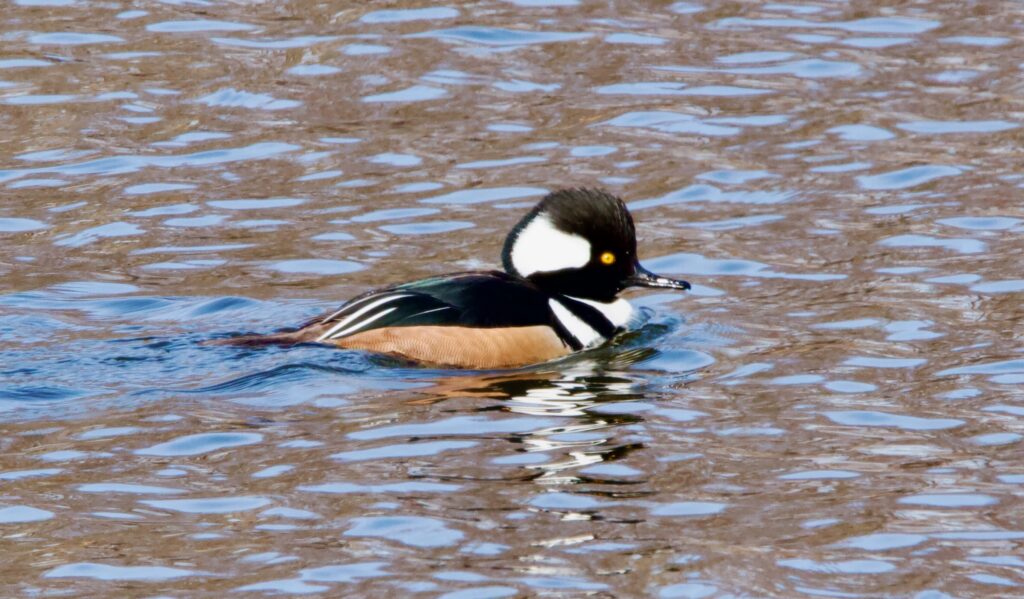
The beautiful Hooded Merganser is seen often in winter at the Helen Carlson Preserve, in the Connecticut River, or in Great Hill Pond. This one surfaced with a small fish in its mouth. They nest in tree cavities.

Continue reading